
Our Mission
Puma Biotechnology is a biopharmaceutical company dedicated to the acquisition, development, and commercialization of novel therapeutics for the treatment of cancer.

Clinical Trials
ALISCA®: ALISertib in CAncer
Coping with Changes in How You Look and Feel
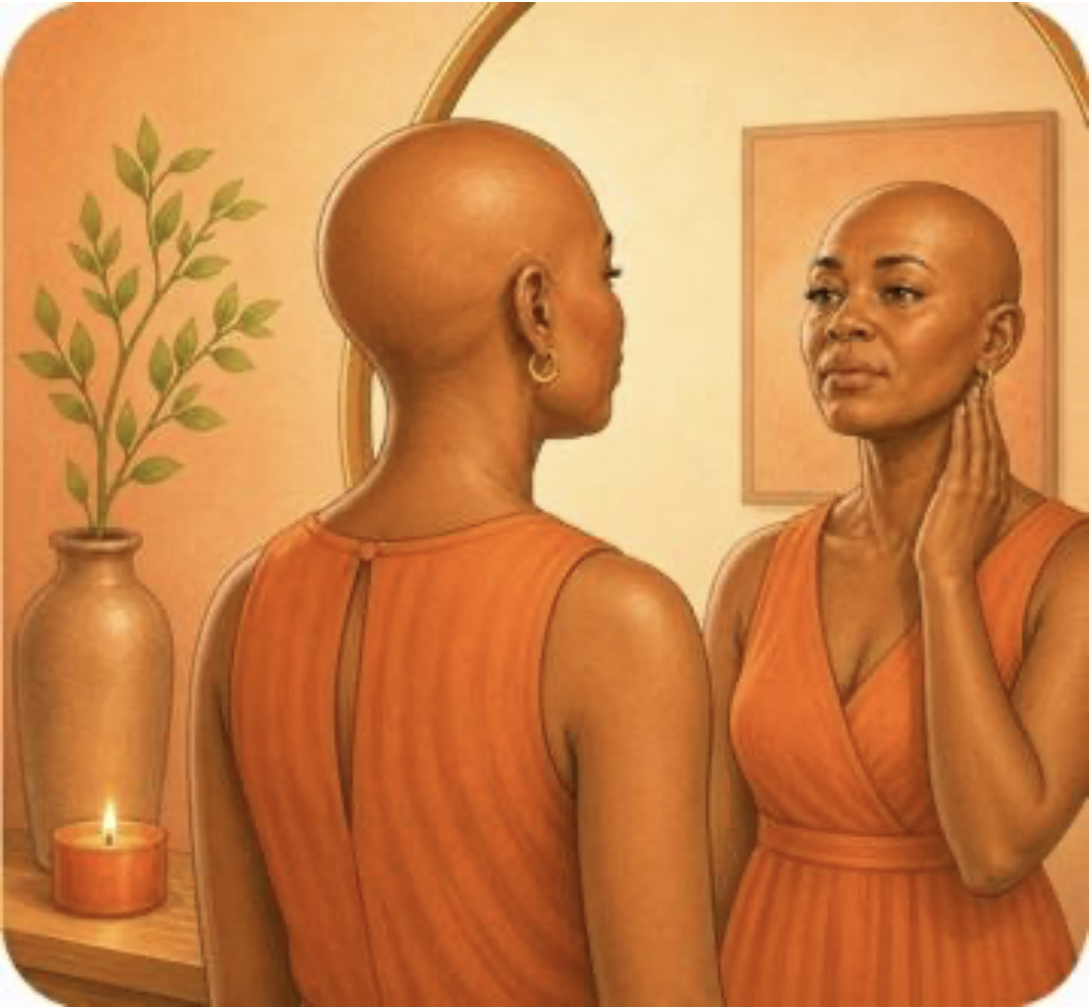
Many people notice changes in how they look and feel after a cancer diagnosis. A survey published in 2020 showed 37% of respondents reported body image concerns.1 These changes may continue through treatment and beyond. Understanding what’s common and what can help may make it easier to manage.
Hair Loss & Skin Changes
Some cancer treatments can cause visible changes, such as hair loss and skin changes.2,3 These can be temporary or long-term, depending on the treatment.2
Hair loss may affect not just appearance, but also quality of daily life.2
Hair loss may include eyelashes, eyebrows, and body hair.2 Some people may comment that it’s ‘only’ hair. But hair may be tied to someone’s identity for various reasons, including cultural.2 Wigs are one option. However, not everyone finds wigs easy to wear.1 You may prefer to try a headscarf or hat. Some people choose to go bald.
Using eyebrow pencils and false eyelashes may help some people to feel better about their appearance.4 Check with your healthcare team to make sure any beauty products or adhesive glue for false eyelashes are safe to use.
Skin protection is also important. Using sunscreen with an appropriate level of SPF rating and moisturizers may help you better manage changes to your skin.4
Body Changes
Some patients struggle to keep weight on during or after cancer treatment while others find themselves dealing with weight gain.5 Talk to your healthcare team about working with a nutritionist and physical therapist to learn about eating options and exercise that may help you manage your weight.
Body function can also be a part of body changes during or after cancer treatment. It involves short- or long-term changes in someone’s ability to perform normal activities such as walking, doing hobbies, and tasks at work.6 Talk to your healthcare team about whether occupational therapy could help you manage challenges with daily activities, such as bathing, cooking, working, using mobility aids, or returning to hobbies.
Body Image & Emotions
Changes in appearance can affect more than how someone sees themselves.7 They can also affect how they feel about themselves.7 Body image includes the feelings someone has about their body.6
Changes such as hair loss, scars, or weight changes may bring up different emotions. Everyone's experience is unique. Some days may feel easier than others. You do not have to pretend everything is okay.
Final thoughts
Changes during and after cancer treatment are common, but they are also personal. Some may be visible, while others are not. Both matter. If changes in your appearance or body are making it hard to enjoy daily activities, spend time with others, or feel like yourself, let your healthcare team know.
-
1
Fitch, M. Living with body image changes following completion of cancer treatment. Can Oncol Nurs J. 2020 Jul 1;30(3):231-234. PMID: 33118975; PMCID: PMC7583567
-
2
American Cancer Society. “Hair Loss (Alopecia)”. Last Revised December 20, 2024. Accessed August 20, 2026. https://www.cancer.org/cancer/managing-cancer/side-effects/hair-skin-nails/hair-loss/coping-with-hair-loss.html
-
3
National Cancer Institute. “Skin and Nail Changes During Cancer Treatment”. Reviewed December 29, 2022. Accessed August 20, 2026. https://www.cancer.gov/about-cancer/treatment/side-effects/skin-nail-changes
-
4
American Cancer Society. “Looking Your Best During Cancer Treatment”. Last Revised December 10, 2025. Accessed August 20, 2026. https://www.cancer.org/cancer/supportive-care/appearance.html
-
5
American Cancer Society. “Weight Changes”. Last Revised: February 3, 2026. Accessed August 24, 2026. https://www.cancer.org/cancer/side-effects/eating-problems/weight-changes.html
-
6
Mokhnatkin, J, Razavi M, Clark K, Hudson AN, Loscalzo M, Folbrecht J. Understanding the relationship between body image and emotional distress among men and women with cancer. Support Care Cancer. 2025 Jul 1;33(7):649. doi: 10.1007/s00520-025-09703-3. PMID: 40591066; PMCID: PMC12213906
-
7
Fingeret, MC, Teo I, Epner DE. Managing body image difficulties of adult cancer patients: lessons from available research. Cancer 2014 Mar 1;120(5): 633-641. doi:10.1002/cncr.28469 Epub 2013 Nov 21. PMID: 24895287; PMCID: PMC4052456
MRC-US-ALI-00178 9/26